
What Is Bitumen? Its Structure, Properties, Types and Importance in Construction Chemicals
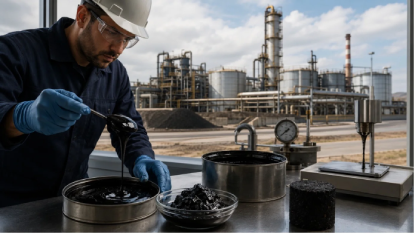
Bitumen is one of the most important binding materials used in today’s construction and infrastructure industries. Although it is best known as the main component of asphalt used in road surfacing, its applications are not limited to this area. From waterproofing systems and roof coverings to foundation insulation, bitumen is used in a wide range of engineering applications thanks to its strong adhesion, waterproof properties and long-lasting performance.
From a chemical perspective, bitumen is a complex organic mixture composed of hydrocarbon compounds with different molecular weights. It is mainly obtained during crude oil refining processes, although it can also occur naturally in deposits in certain parts of the world. Black or dark brown in colour, bitumen has a semi-solid or highly viscous consistency at room temperature and becomes fluid when heated.
From a civil engineering perspective, bitumen is not only a binding material but also an important construction chemical, thanks to its insulating properties that help extend the service life of structures, protect them against environmental effects and improve their durability.
Formation and Production Process of Bitumen
Bitumen production is one of the final stages of advanced refining processes carried out in petroleum refineries. Crude oil is passed through atmospheric distillation followed by vacuum distillation units, where lighter hydrocarbons are separated. Once products such as petrol, diesel fuel and gas oil have been extracted, the remaining heavy hydrocarbon fraction is used in the production of bitumen.
For certain applications, bitumen may undergo various processes depending on its intended use. Its hardness can be increased through oxidation, its elasticity can be improved through the addition of polymers, or it can be emulsified with water to produce materials that can be applied at lower temperatures. In this way, high-performance bitumen types suitable for different climatic conditions and engineering requirements can be produced.
Natural bitumen deposits are formed over millions of years as organic matter is subjected to high temperatures and pressure. However, the vast majority of bitumen used today is produced through controlled processes in refineries.
Chemical Structure of Bitumen
Bitumen is not a pure substance consisting of a single chemical compound. On the contrary, it has a highly complex structure composed of hundreds of different hydrocarbon compounds. The main components that determine its performance are asphaltenes, resins, aromatics and saturated hydrocarbons.
Asphaltenes are high-molecular-weight compounds that provide bitumen with hardness and mechanical strength. Resins help maintain the balance of this rigid structure, improve the material’s adhesion and contribute to a homogeneous composition.
Aromatic compounds improve the fluidity of bitumen and its performance at low temperatures, while saturated hydrocarbons enhance workability and allow the material to behave in a more controlled manner during application.
As the proportions of these four main components vary, so do the hardness, viscosity, flexibility and temperature resistance of bitumen. For this reason, different grades of bitumen have been developed for different engineering applications.
Physical and Mechanical Properties of Bitumen
One of the main reasons bitumen is so widely used in the construction industry is its excellent physical and mechanical properties. One of its most important characteristics is its waterproof nature. Thanks to its hydrophobic structure, it helps prevent water from penetrating concrete, thereby protecting reinforcement against corrosion and significantly extending the service life of structures.
Its high adhesion capability enables bitumen to bond strongly to aggregates, concrete surfaces, steel elements and many other construction materials. This property is particularly important in helping asphalt pavements maintain their integrity over many years.
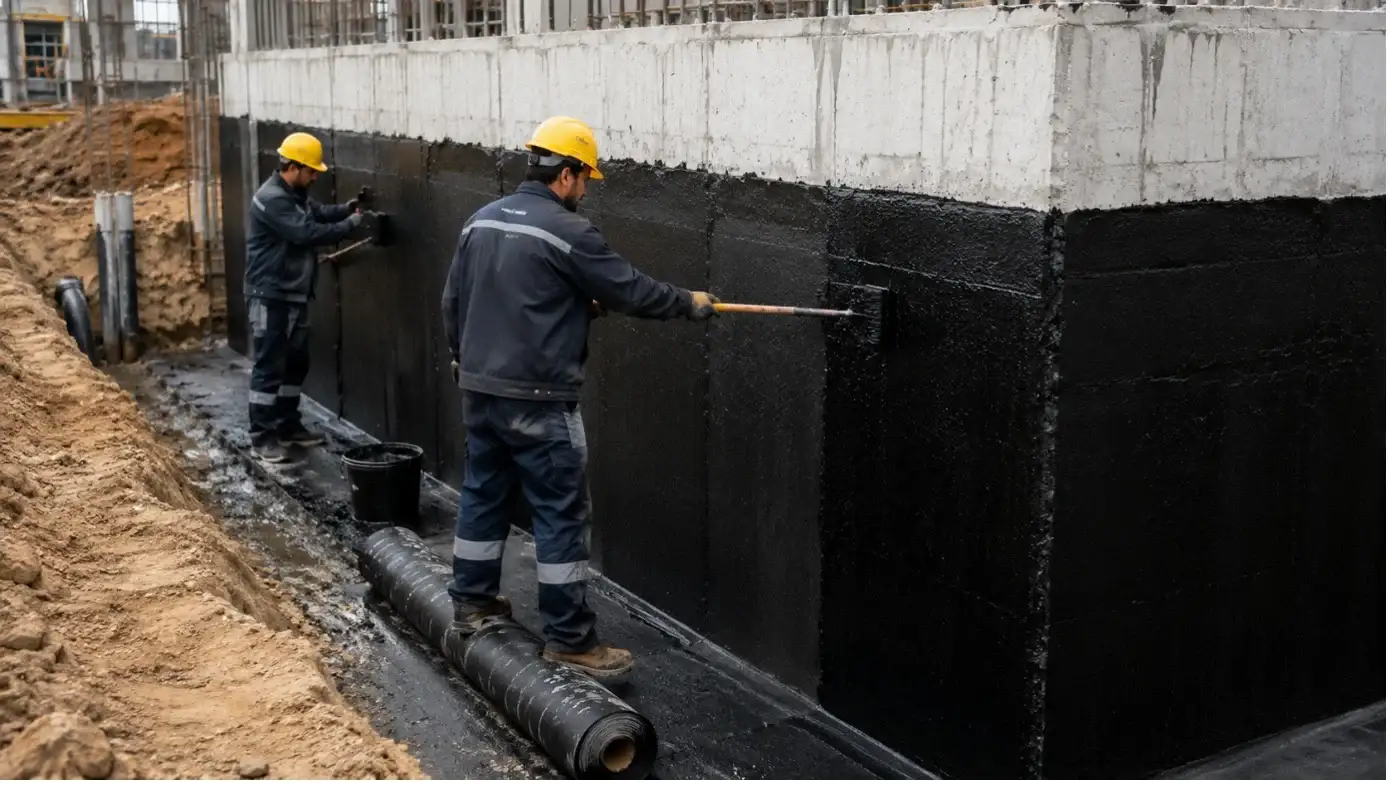
Bitumen also exhibits thermoplastic behaviour. As the temperature increases, it softens and becomes easier to shape, while it hardens again as the ambient temperature decreases. This characteristic allows bitumen to be processed efficiently in asphalt production plants.
From an engineering perspective, another major advantage of bitumen is its viscoelastic behaviour. In other words, depending on the magnitude of the applied load and the temperature, it can exhibit both elastic and viscous properties. This helps asphalt pavements absorb traffic loads and delay the formation of cracks.
Thanks to its high fatigue resistance, impact resistance and resistance to deformation, bitumen can be safely used on motorways, airport runways and port areas exposed to heavy traffic loads.
Importance of Bitumen in Architectural and Structural Design
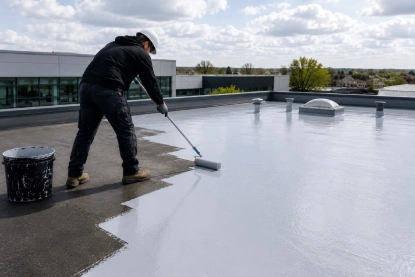
In modern architecture, bitumen is not merely a material used in asphalt production. Today, it is regarded as one of the fundamental components of waterproofing systems designed to extend the service life of buildings. Bitumen-based waterproofing systems are particularly preferred for foundation retaining walls and structural elements that are continuously exposed to moisture.
In structures with inadequate waterproofing, water can penetrate the concrete over time. As a result, reinforcement corrosion may occur, concrete strength may decrease and the structural system of the building may become damaged. Bitumen-based waterproofing products significantly reduce these risks and therefore make a direct contribution to structural safety.
Particularly in earthquake-prone regions, ensuring the long-term durability of buildings requires not only the correct design of structural systems but also the proper design of the protective layers forming the building envelope. Bitumen-based waterproofing systems play a critical role in this respect.
Use of Bitumen in Civil Engineering
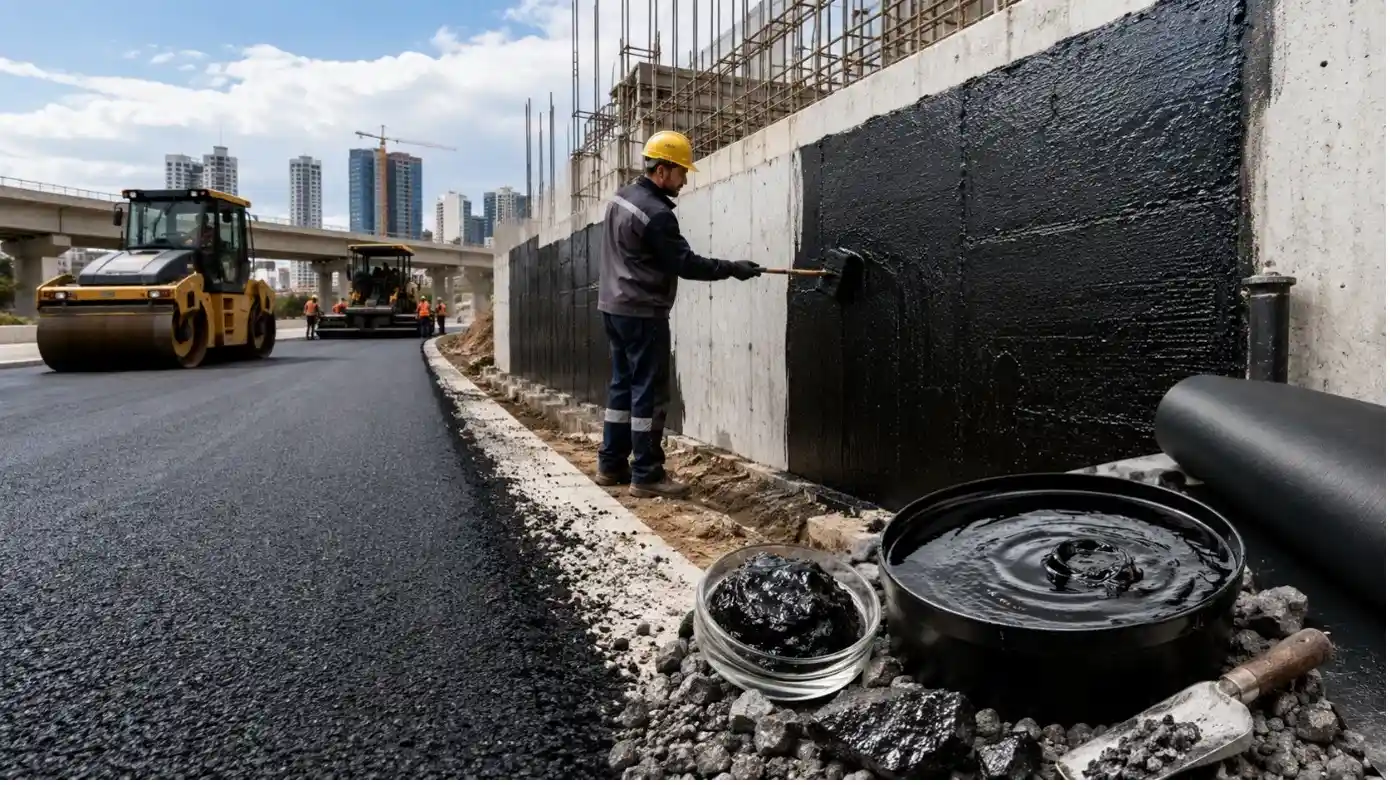
In highway engineering, bitumen is used as the primary binder that holds aggregates together. The durability of asphalt pavements depends to a large extent on the quality of the bitumen used. High-quality bitumen reduces rutting, delays crack propagation and helps the road surface maintain its performance for many years.

On motorways, bridge connections, airport runways and logistics centres exposed to heavy traffic loads, polymer-modified bitumen is preferred to standard bitumen. These products provide greater resistance to deformation at high temperatures while reducing the risk of cracking at low temperatures.
Bitumen-based coatings also play an important role in protecting structures against water and chemical exposure in major infrastructure projects such as tunnels, dams, bridges and port structures.
Bitumen-Based Products in Construction Chemicals
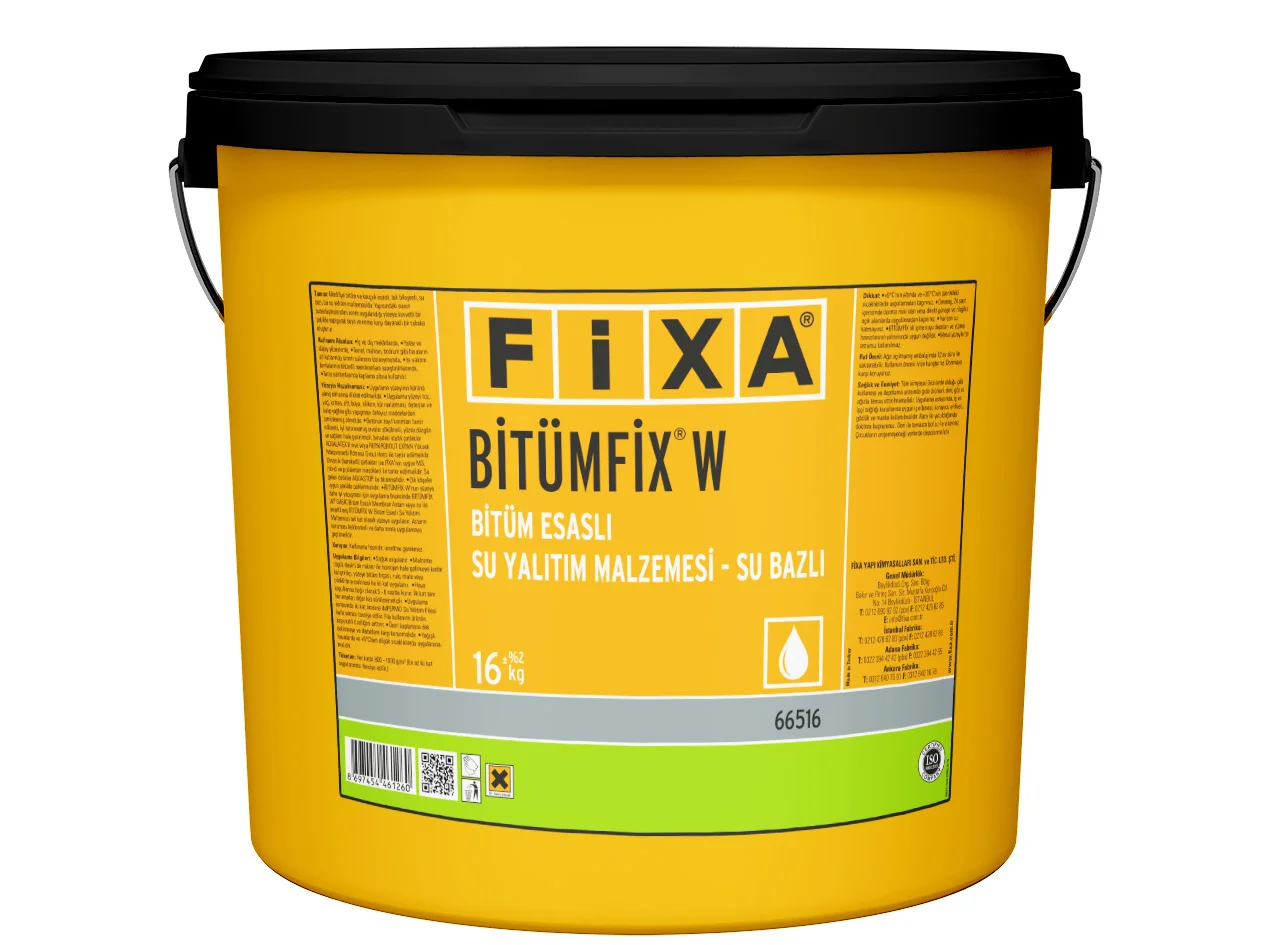
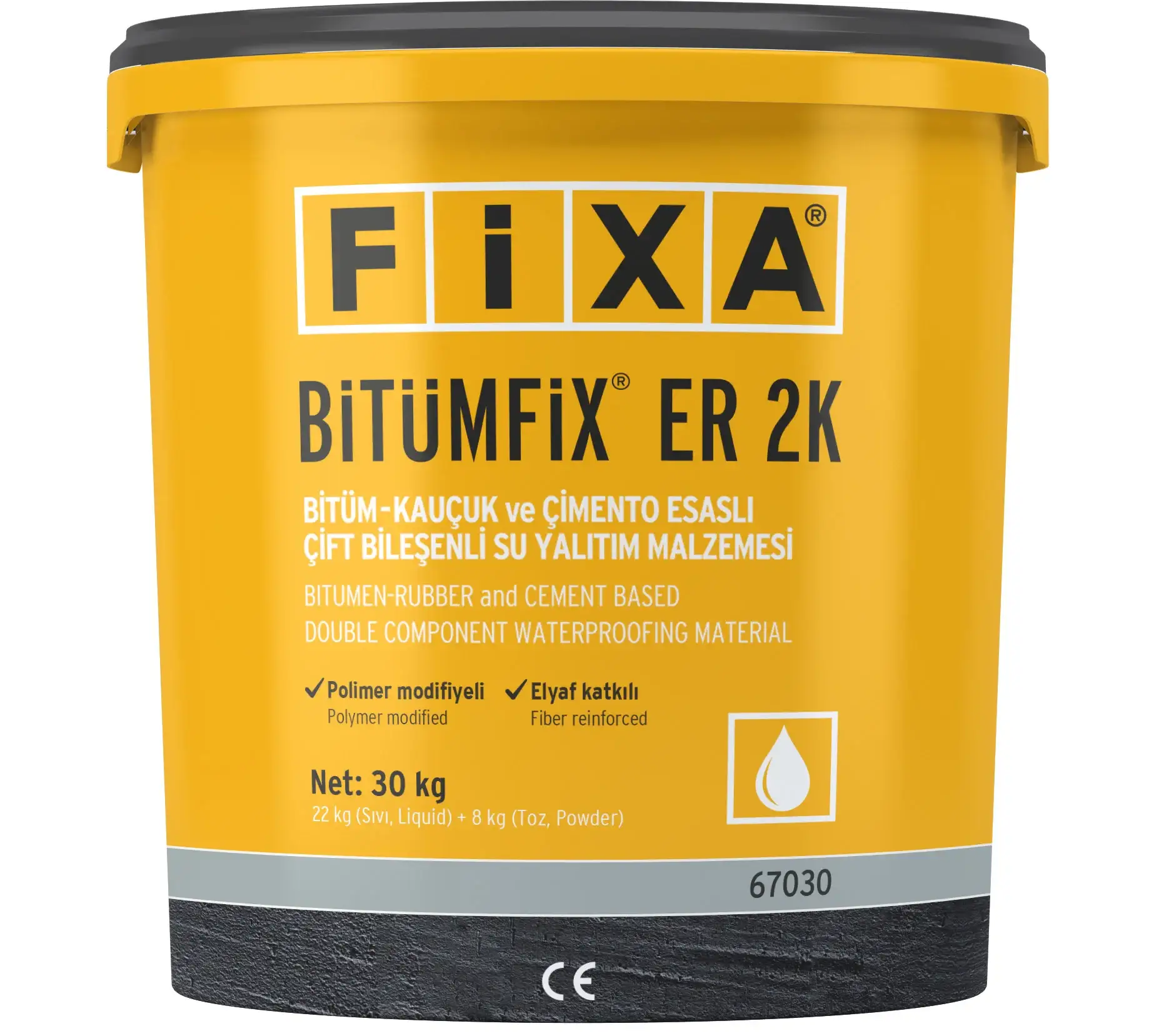
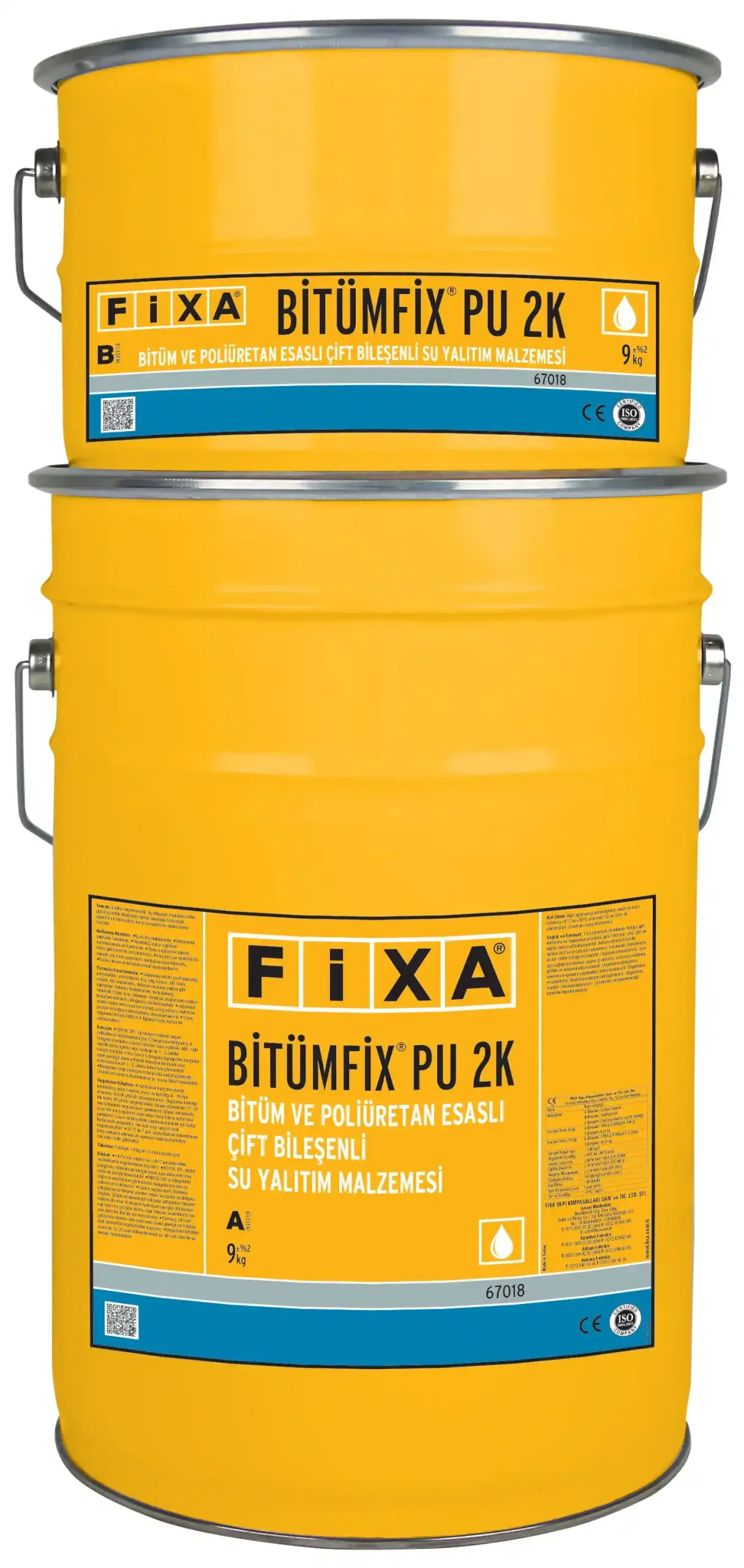
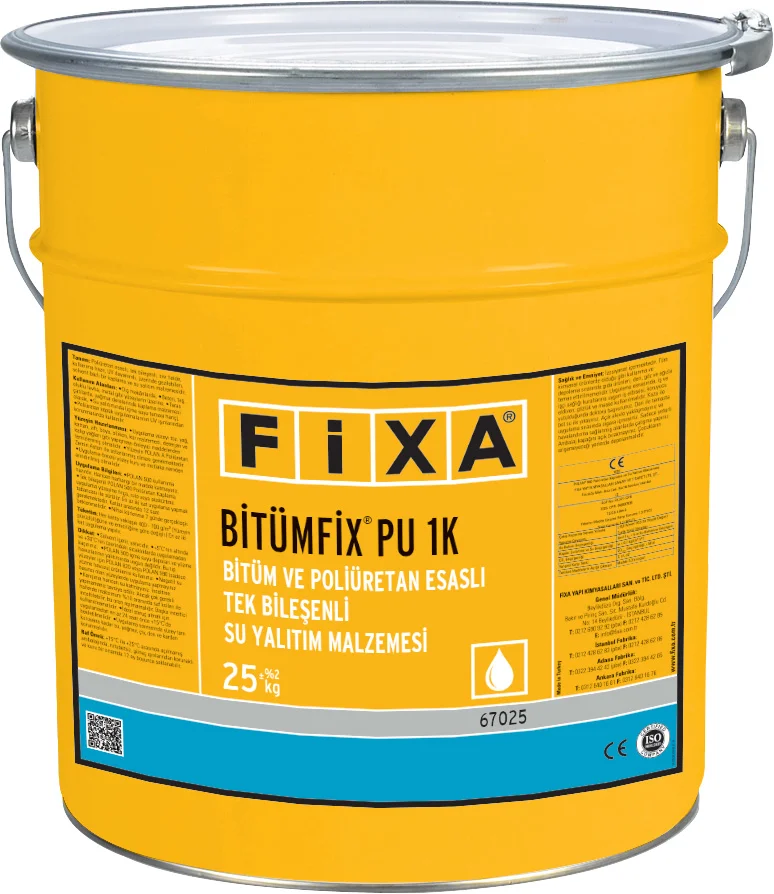
Within the construction chemicals industry, bitumen-based materials cover a very wide range of products.
Thanks to their water-based formulations, bitumen emulsions enable more environmentally friendly applications. As they are solvent-free, they improve application safety while reducing environmental impact. They are widely used in road maintenance, surface treatments and cold asphalt applications.
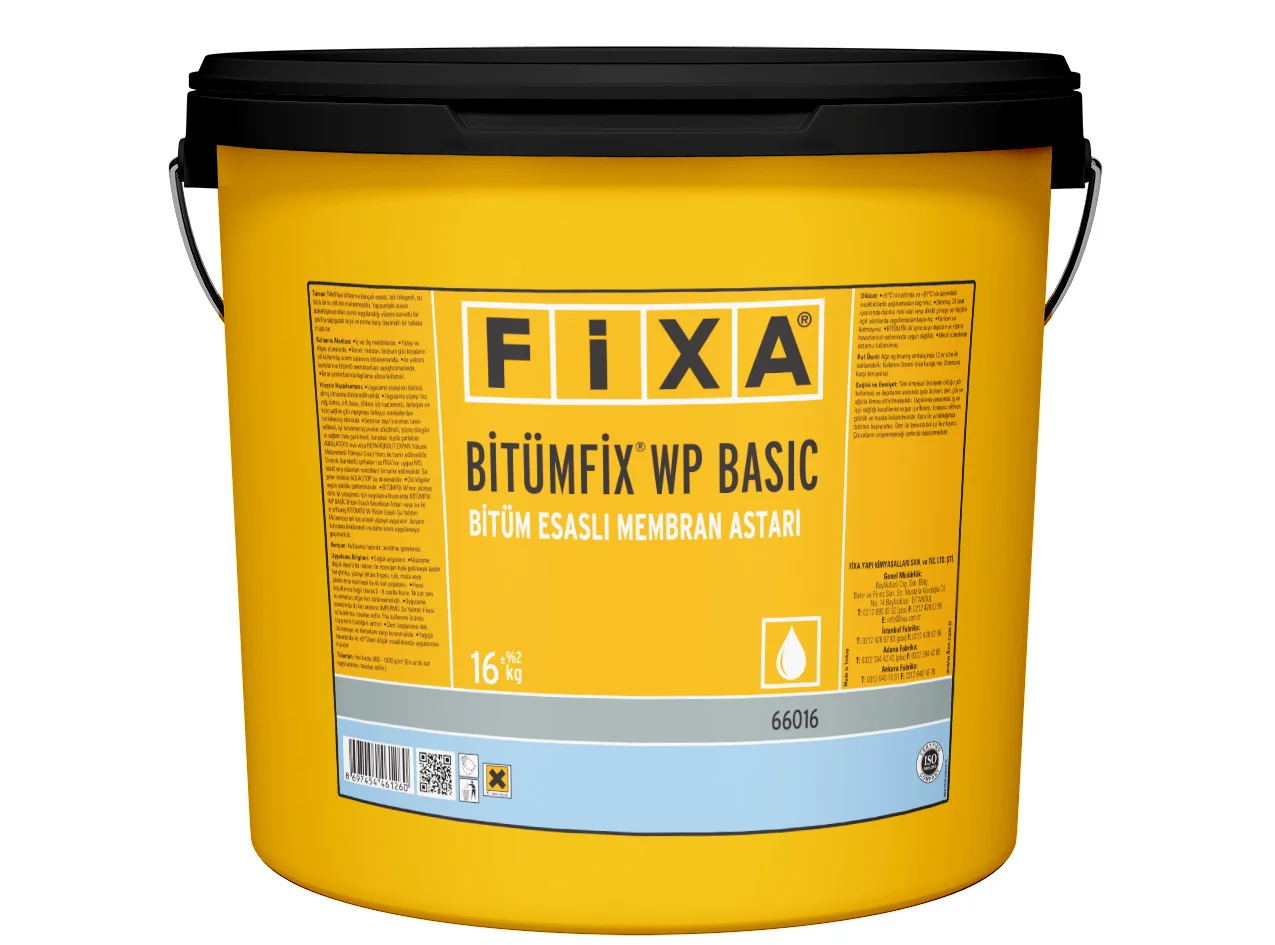
Bitumen primers are priming materials applied to a surface before the main waterproofing system. They improve the adhesion of membranes to the substrate and therefore enhance overall system performance.
Bitumen mastics are particularly used for joint filling, crack repairs and moving connection points. Thanks to their elastic structure, they accommodate structural movements and provide long-term protection.
Types of Bitumen
Bitumen is produced in different grades according to its intended application. One of the most commonly used types is penetration-grade bitumen. Classified in grades such as 50/70 and 70/100, these products are particularly used in the production of hot-mix asphalt.
Polymer-modified bitumen is produced by adding polymers such as SBS or APP to bitumen. These additives significantly improve the elasticity of bitumen while reducing deformation at high temperatures. Today, polymer-modified bitumen is widely preferred for roads exposed to heavy traffic loads.
Oxidised bitumen is hardened through a controlled air-blowing process. It is commonly used in roofing applications, insulation boards and various industrial coatings.
Bitumen emulsions are environmentally conscious products obtained by mixing bitumen with water. As they can be applied at lower temperatures, they help reduce energy consumption while also providing ease of application.
Importance of Bitumen in Terms of Sustainability
In recent years, significant developments have taken place in the bitumen industry as part of advances in sustainable construction technologies. The reuse of recycled asphalt pavements, low-temperature asphalt technologies and bio-based additives are helping to significantly reduce energy consumption.
At the same time, the reuse of reclaimed asphalt materials contributes to reducing the consumption of natural resources.
These developments are helping bitumen establish its place among the construction materials of the future, not only from an economic perspective but also in terms of environmental sustainability.
Bitumen from an Academic Perspective
From a materials science perspective, bitumen is classified as an engineering material with viscoelastic properties. Its performance is affected by a number of variables, including temperature, loading duration and traffic intensity. For this reason, quality control of bitumen is carried out in accordance with international standards.
In laboratory conditions, the performance of bitumen is evaluated using penetration tests, softening point tests, ductility tests, viscosity measurements and Dynamic Shear Rheometer (DSR) tests. In addition, the Superpave Performance Grading System (Performance Grade – PG) is a modern engineering approach that allows bitumen to be selected according to the climatic conditions of the region in which it will be used.
Academic studies show that polymer-modified bitumen offers higher fatigue resistance, lower deformation rates and a longer service life than standard bitumen. For this reason, the use of modified bitumen is becoming increasingly widespread, particularly in transport infrastructure projects exposed to high traffic volumes.
Thanks to its excellent adhesion, waterproof structure, thermoplastic behaviour and long-lasting performance, bitumen is regarded as one of the most important construction materials used in today’s construction industry.
Its wide range of applications, from roads and airport runways to foundation waterproofing and industrial structures, demonstrates just how critical bitumen is from an engineering perspective.
With advances in polymer technologies and sustainable production methods, bitumen is no longer merely a binder used in asphalt; it has become one of the fundamental components of high-performance waterproofing systems, modern construction chemicals and long-lasting infrastructure projects.
Selecting the correct type of bitumen according to project requirements and climatic conditions not only improves the durability of structures but also significantly reduces maintenance costs. In this respect, bitumen continues to be an indispensable construction material of strategic importance in modern engineering and architectural applications.
For detailed information and quotations regarding the bitumen-based materials in the FİXA Construction Chemicals product range, please contact us at +44 (0) 2081760680 or via email at info@fixaco.uk
Frequently Asked Questions
-
What is bitumen?
Bitumen is an organic binding material composed of hydrocarbons with different molecular weights. It is black or dark brown in colour, has waterproof properties and high adhesion strength. It is generally obtained by refining crude oil.
-
Are bitumen and asphalt the same thing?
No. Bitumen is the primary binder that holds aggregates together in an asphalt mixture. Asphalt, on the other hand, is a road surfacing material produced by mixing bitumen with crushed stone, sand and various mineral aggregates.
-
How is bitumen produced?
Bitumen is produced by subjecting crude oil first to atmospheric distillation and then to vacuum distillation. After lighter components such as petrol, diesel fuel and gas oil have been separated, the remaining heavy hydrocarbon fraction is used in bitumen production.
-
What components are found in the chemical structure of bitumen?
The main components of bitumen are asphaltenes, resins, aromatics and saturated hydrocarbons. The proportions of these components determine the hardness, viscosity, adhesion strength, flexibility and temperature-dependent behaviour of bitumen.
-
Why is bitumen used for waterproofing?
Bitumen is hydrophobic, meaning that it repels water. By forming a continuous protective layer over concrete surfaces, it limits the penetration of water and moisture into structural elements. In this way, it helps prevent reinforcement corrosion, moisture-related deterioration and loss of concrete strength.
-
How is bitumen affected by temperature changes?
Bitumen is a thermoplastic material. As the temperature rises, it softens and becomes more fluid and workable; when the temperature falls, it hardens again. For this reason, the type of bitumen used should be selected according to the climatic conditions of the region and the intended application.
-
What does it mean for bitumen to be viscoelastic?
Viscoelastic behaviour means that bitumen exhibits both elastic and viscous properties depending on the applied load and temperature. This property helps asphalt pavements withstand traffic loads, absorb deformation and delay the formation of cracks.
-
Which bituminous products are used in the construction chemicals industry?
Bitumen-based liquid-applied waterproofing products, bitumen emulsions, bitumen primers, bitumen mastics and bituminous membranes are used within the construction chemicals industry. These products are preferred for applications such as foundation and retaining wall waterproofing, roofing, joint filling, crack repairs and surface preparation.
-
What is polymer-modified bitumen?
Polymer-modified bitumen is an enhanced type of bitumen produced by adding polymers such as SBS or APP to standard bitumen. Polymer additives improve the elasticity, temperature resistance and deformation resistance of bitumen. It can therefore be used on roads exposed to heavy traffic loads and in waterproofing systems requiring high performance.
-
Which tests are used to determine the quality of bitumen?
The performance of bitumen is evaluated using laboratory tests such as the penetration test, softening point test, ductility test, viscosity measurement and Dynamic Shear Rheometer test. In addition, the Performance Grade system classifies bitumen according to the temperature and climatic conditions of the region in which it will be used
Share!
Other Blog Posts
Other Blog Posts
Bitumen is one of the most important binding materials used […]

In modern structures, durability is becoming just as vital as […]

Modern bathroom design has shifted significantly toward high-end wet rooms […]

In the modern construction landscape, the demand for high-performance waterproofing […]

The window perimeter is one of the most technically demanding […]

Choosing the right waterproofing system for a flat roof is […]
Flat roofs are a critical component of modern building design, […]

Epoxy-based reinforcement systems, when used in combination with carbon or […]

Digital transformation is a process in which companies respond to […]
